Caltagirone vs Vietri Ceramics: How to Tell Them Apart
Caltagirone vs Vietri Ceramics: How to Tell Them Apart Read More »
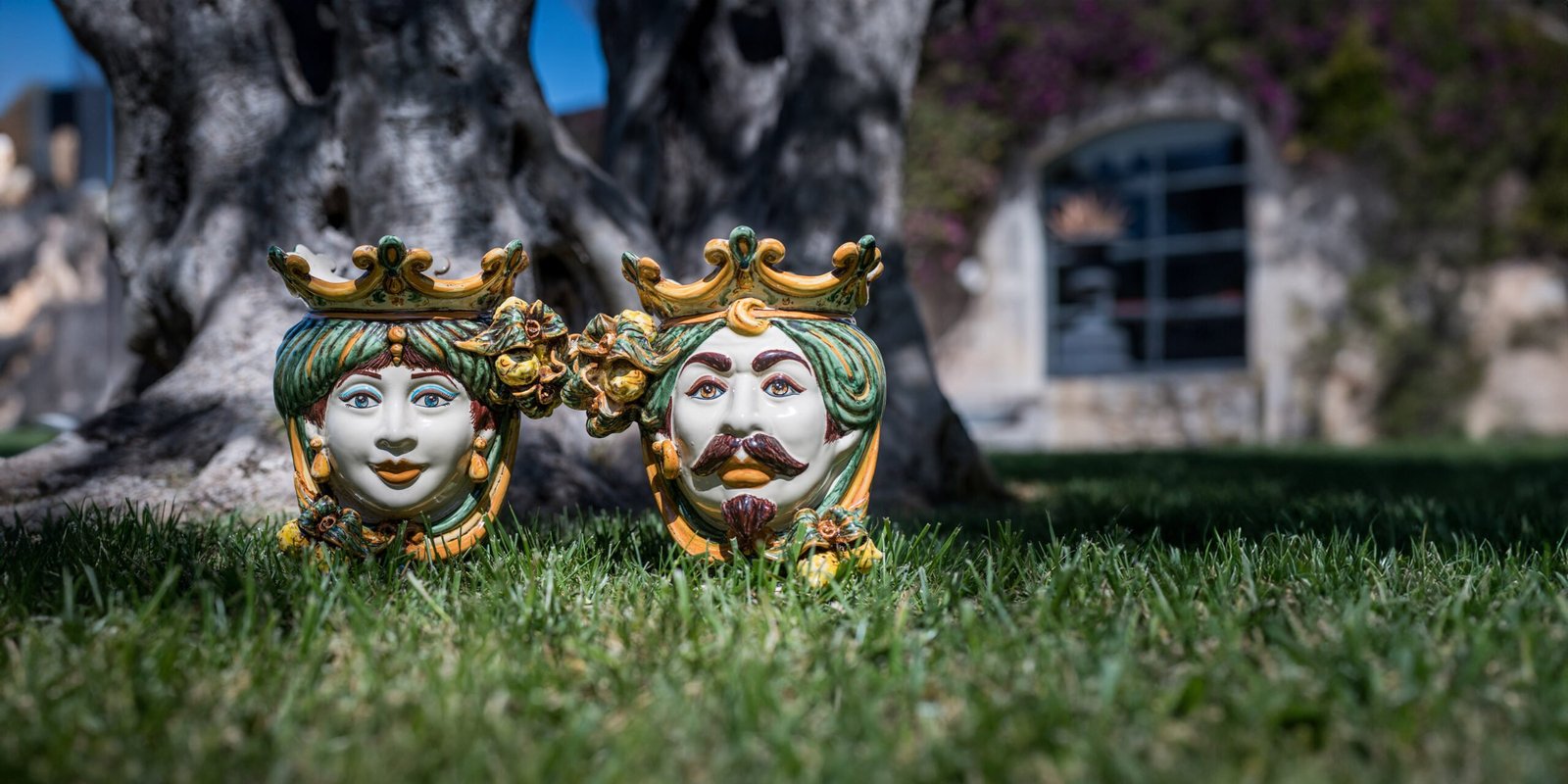
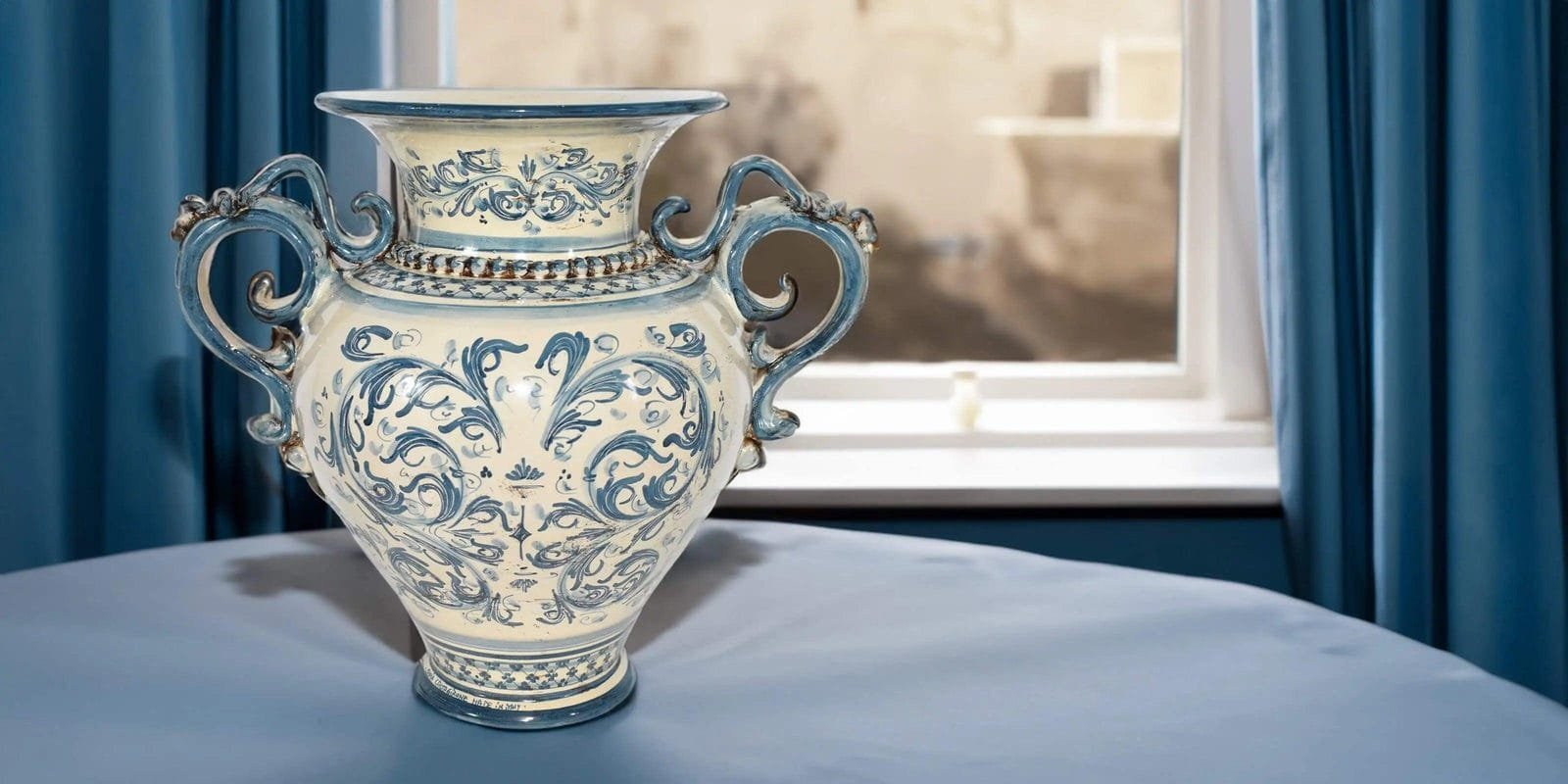
History & CraftSicilian ceramics did not arrive from one place. Greek settlers brought the potter's wheel and the shapes that went with it; Arab rule brought tin glaze, the white ground that makes bright color possible, and much of the geometry still painted today. Spanish rule and the Baroque each added a layer. What you see on a plate from Caltagirone is that sequence, compressed.
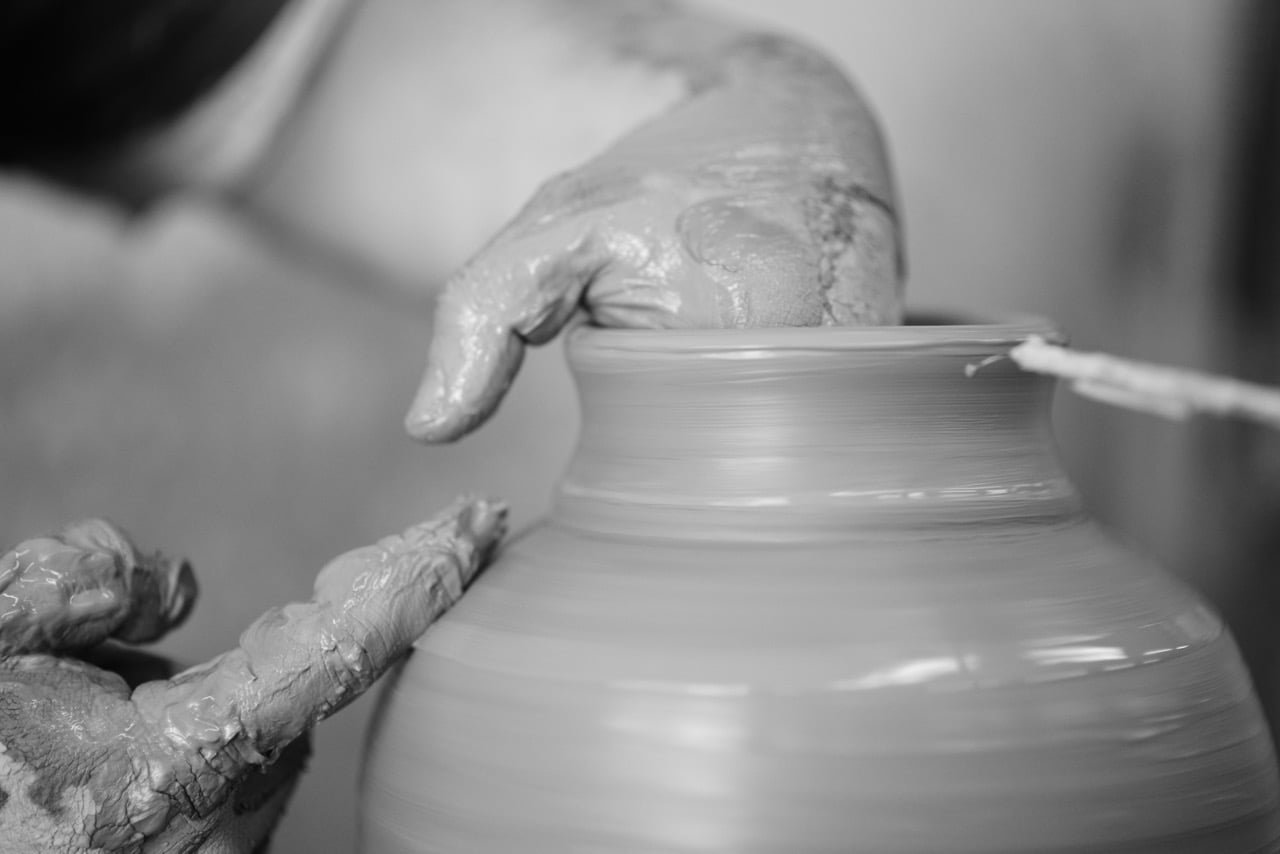
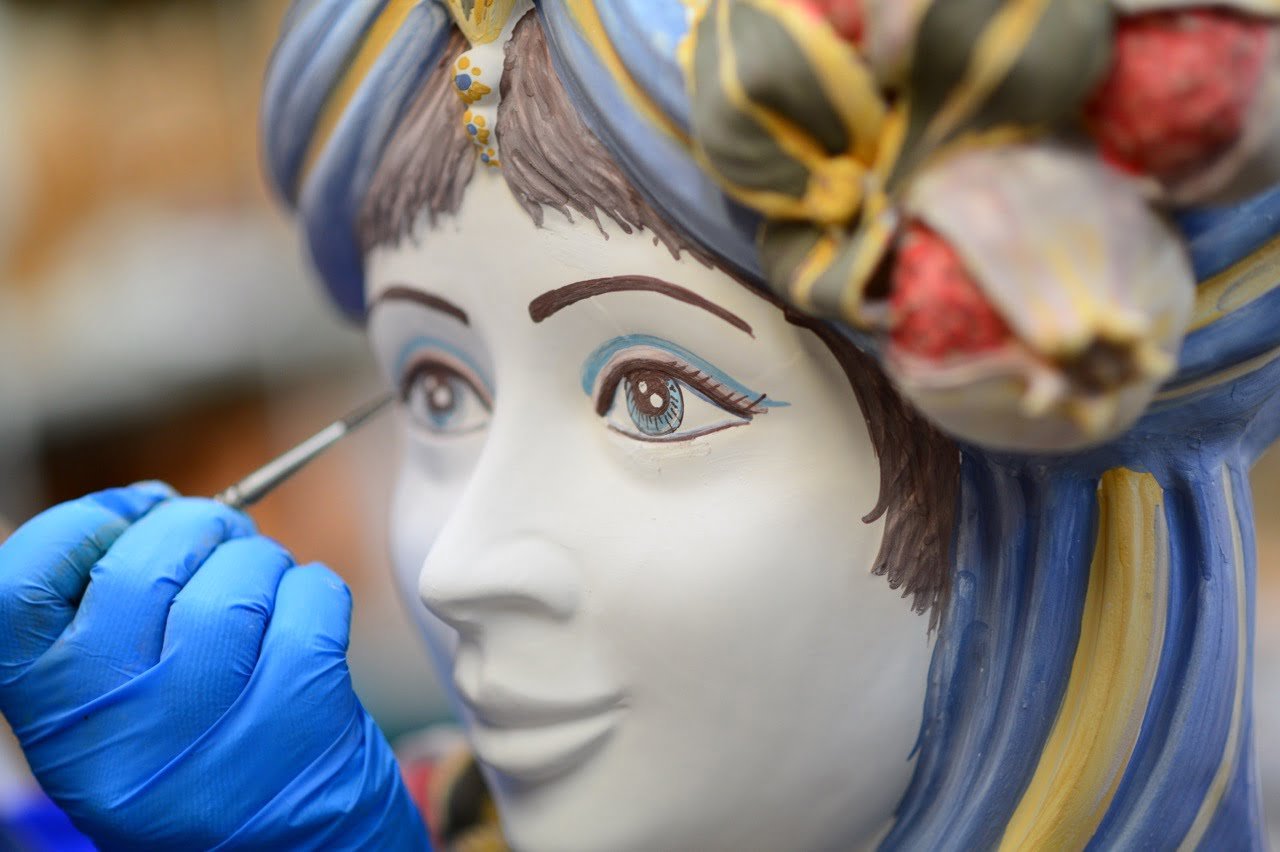
The making has changed less than the decoration. We throw or press local clay, dry it, fire it once, then dip it in raw glaze and paint on that unfired surface, which drinks pigment the way blotting paper does. A stroke cannot be corrected. The second firing sets color and glaze together.
Read this way, a plate stops being decoration. The pattern carries a date and a route, and the surface records what a workshop decided before the piece ever reached a shelf.