Searching for Sicilian ceramics online turns up three very different kinds of seller, and the listings rarely make it obvious which one you are looking at. Knowing the difference matters, because it determines what you actually receive, how long you wait, and whether anyone can help you if the piece arrives damaged.
The three kinds of seller you will find
Workshops in Caltagirone
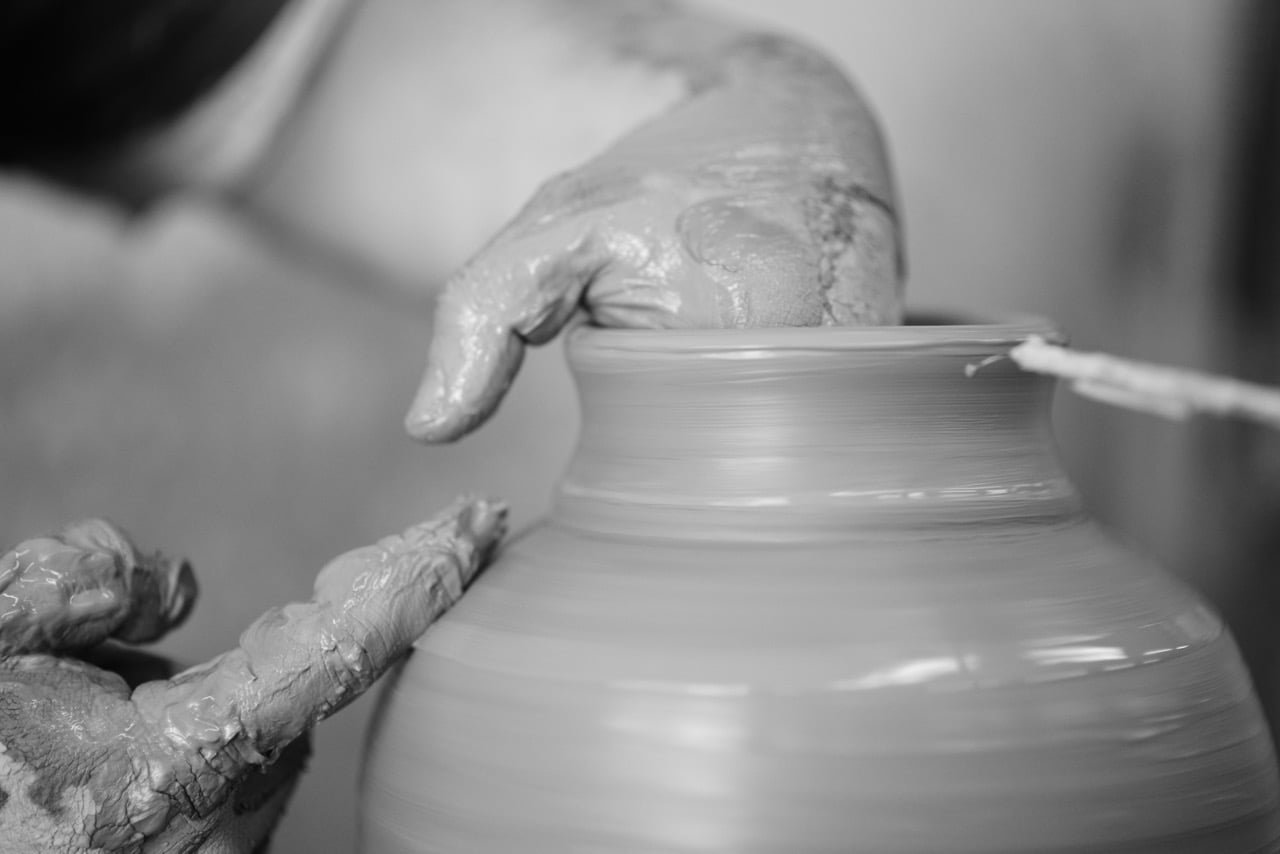
Caltagirone is the town in south-eastern Sicily where most of the island’s ceramic tradition is concentrated. A workshop there makes what it sells: the clay is thrown or molded on site, fired, hand-painted, then fired again. Buying from a workshop means the piece is made after you order it, which is why lead times are measured in weeks rather than days.
Resellers and galleries
Shops in Taormina, Palermo or Catania that buy finished pieces and resell them. Nothing wrong with this, and you get to see the piece before buying, but you are paying a second margin and the shop usually cannot tell you which workshop made it or reproduce a piece you liked.
Marketplace listings
The hardest category to judge. Some listings are genuine workshops using a marketplace as a shopfront. Others are dropshippers, and a proportion of “Sicilian” ceramics sold online are decorated elsewhere in a Sicilian style. The photographs will not tell you which is which.
Five things to check before you order
1. Does the seller name the town?
“Made in Sicily” is not the same claim as “made in Caltagirone”. A workshop will name its town, usually its street, and often the people who work there. Vagueness about origin is the single most useful warning sign.
2. Is every piece photographed individually?
Hand-painted work varies. Two pieces of the same model will differ slightly in the brushwork, and an honest seller shows this rather than hiding it behind one stock photo used across a whole category. Small variations are evidence of hand painting, not a defect.
3. Are the dimensions given in both units?
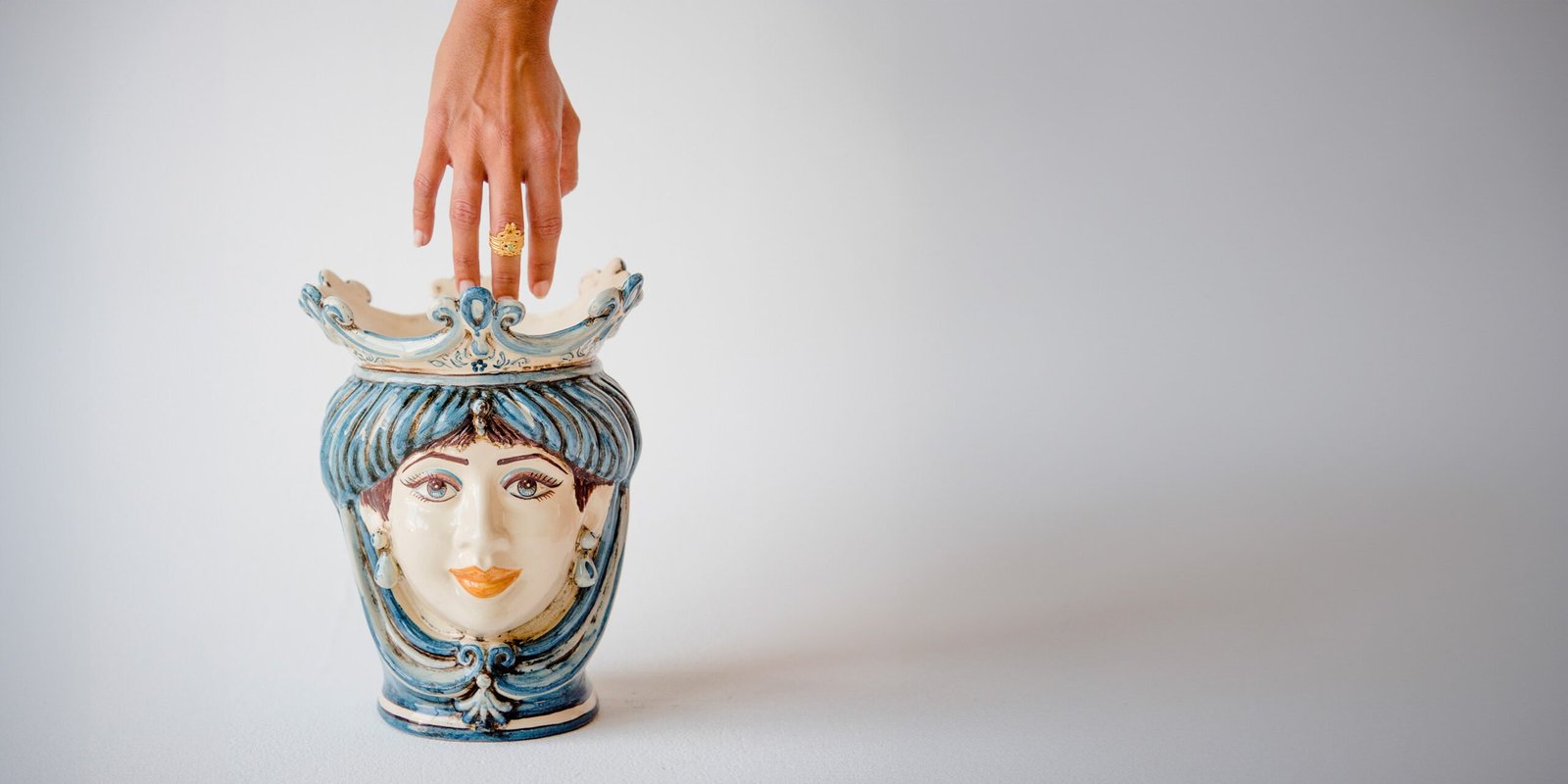
Sicilian ceramics run larger than most people expect. A testa di moro listed at 40 cm is nearly 16 inches tall and will not sit on a narrow shelf. If a seller shipping internationally does not give inches alongside centimeters, they are not thinking about you.
4. What is the stated lead time?
A piece offered for immediate dispatch is stock, not made to order. That is fine if you need it quickly, but it also means it was made before anyone bought it. Workshops that make to order will tell you so, and will quote weeks. Ours takes up to 30 days from order confirmation for exactly this reason.
5. Who carries the risk in transit?
Ceramic breaks. The question is not whether a seller packs well but what happens if the box is dropped anyway. Ask whether transit insurance is included or extra, and what the claims procedure is. If the answer is unclear before you buy, it will not improve afterwards.
What buying direct from Caltagirone looks like
For context, here is how it works when you order from us. We are a workshop in Caltagirone, and the pieces are made in our own laboratory.
- Made to order. Up to 30 days from order confirmation, because the piece does not exist until you order it.
- Insurance always included. Every shipment is insured, at no extra cost and without you having to ask.
- Sign with reserve. We ask you to sign for the delivery with reserve even if the outer box looks intact. It costs you nothing and it is what keeps an insurance claim open if you find damage when you unpack.
- Shipping cost shown before you pay. International shipping varies by destination and is calculated at checkout, not added afterwards.
- Klarna available. Pay in three instalments, or 30 days after delivery.
- 14 days to return. In the original packaging, undamaged.
Browsing before you decide
Our full catalog for English-speaking customers is at italianpottery.us, with prices, dimensions in centimeters and inches, and individual photographs of each piece. If you want to understand how the work is made before you commit, the production process page walks through each stage, and our guide to identifying authentic Sicilian ceramics covers what to look for in the object itself. For the pieces themselves, the Caltagirone ceramics buyer’s guide sets out the main families and how to read a listing, and delivery to the United States, with duties and insurance, is covered in shipping Sicilian ceramics to the USA.
If you have a question about a specific piece, a size, or a decoration that is not listed, write to us. Custom work is a normal part of what a workshop does.